
Video ©Camille Liu NockStudiolo.
in collaboration with
Ben Pentreath Studio
College Garden and The Cloisters at Westminster Abbey
26 June 2026
Our second London edition was held in the medieval College Garden and Cloisters at Westminster Abbey, in collaboration with the architectural and interior designer Ben Pentreath Studio.
This event was an opportunity to experience works of art from several of the world’s leading galleries, in the setting of a UNESCO World Heritage Site. Among the artworks on display were objects with centuries-old links to the Abbey itself. Ben Pentreath Studio brought an exciting, fresh design perspective to the display at this historically magnificent venue.

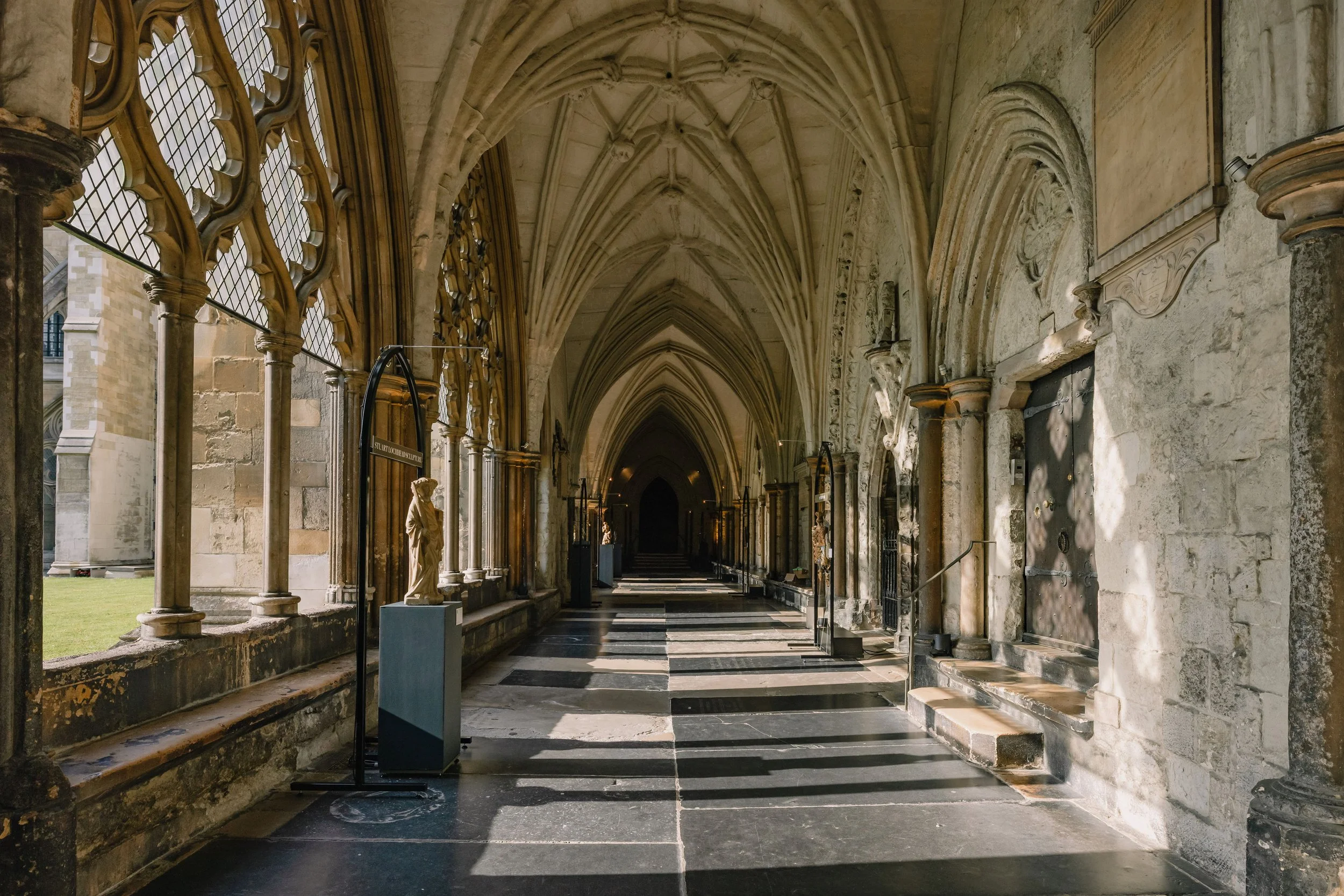
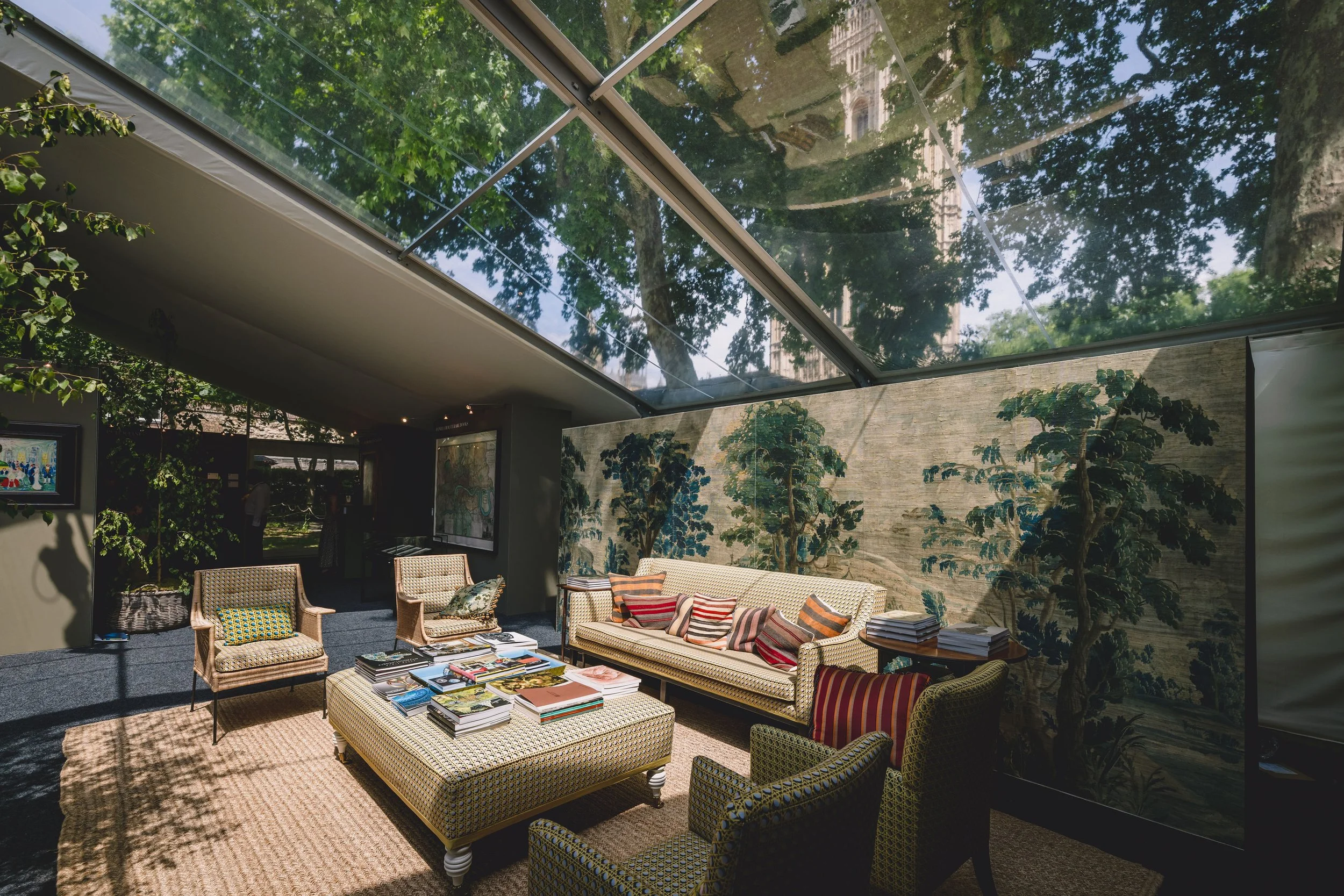
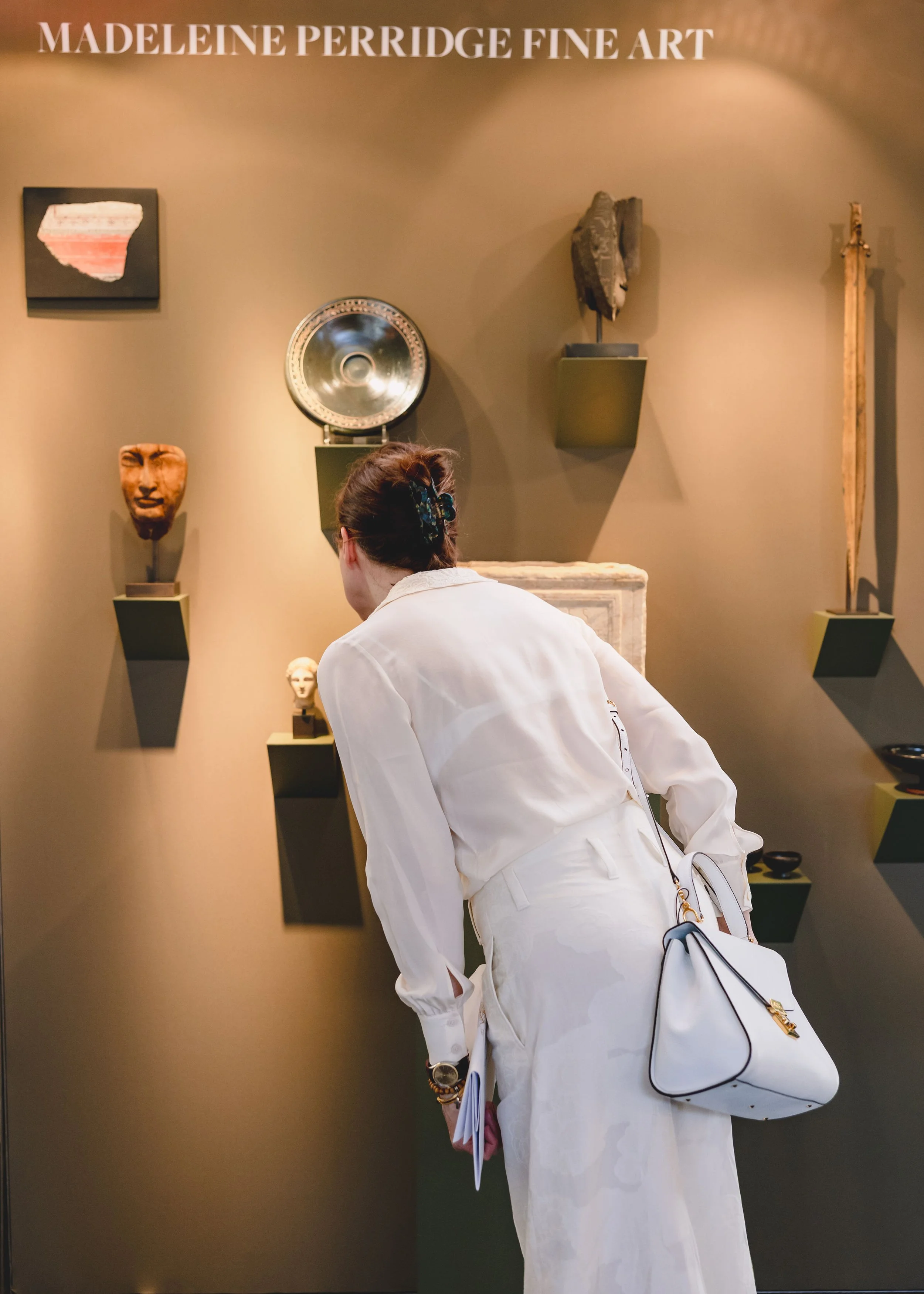
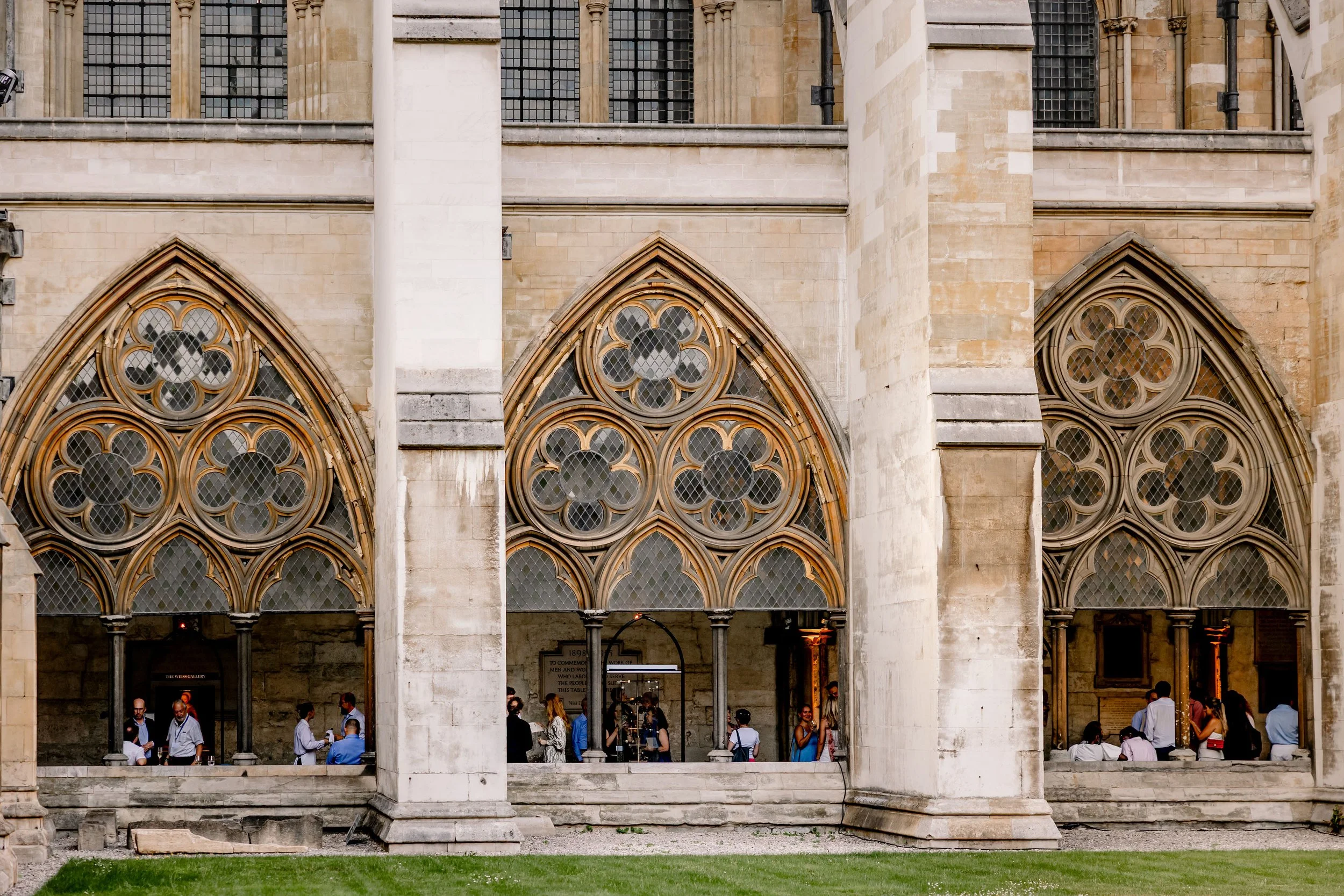
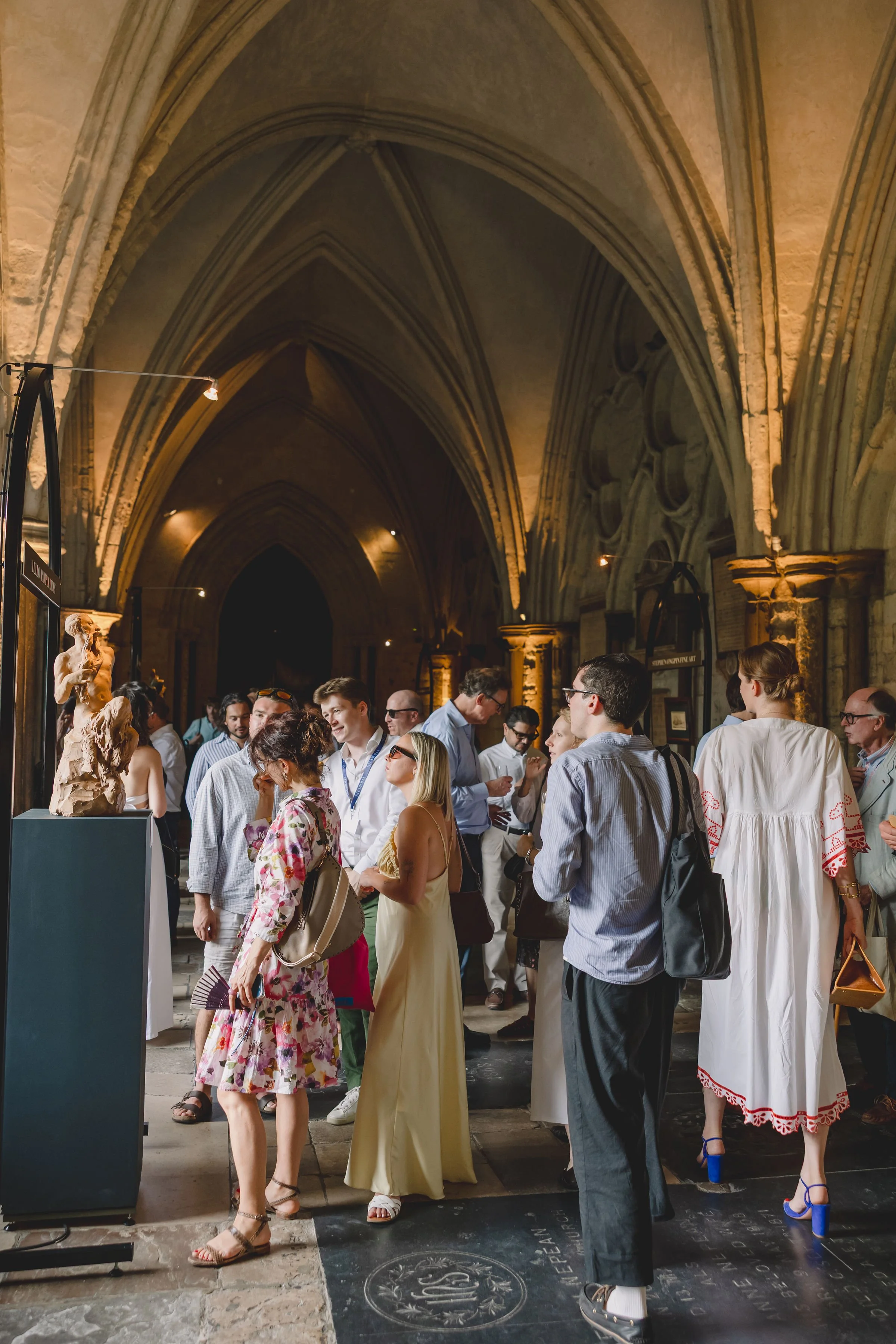
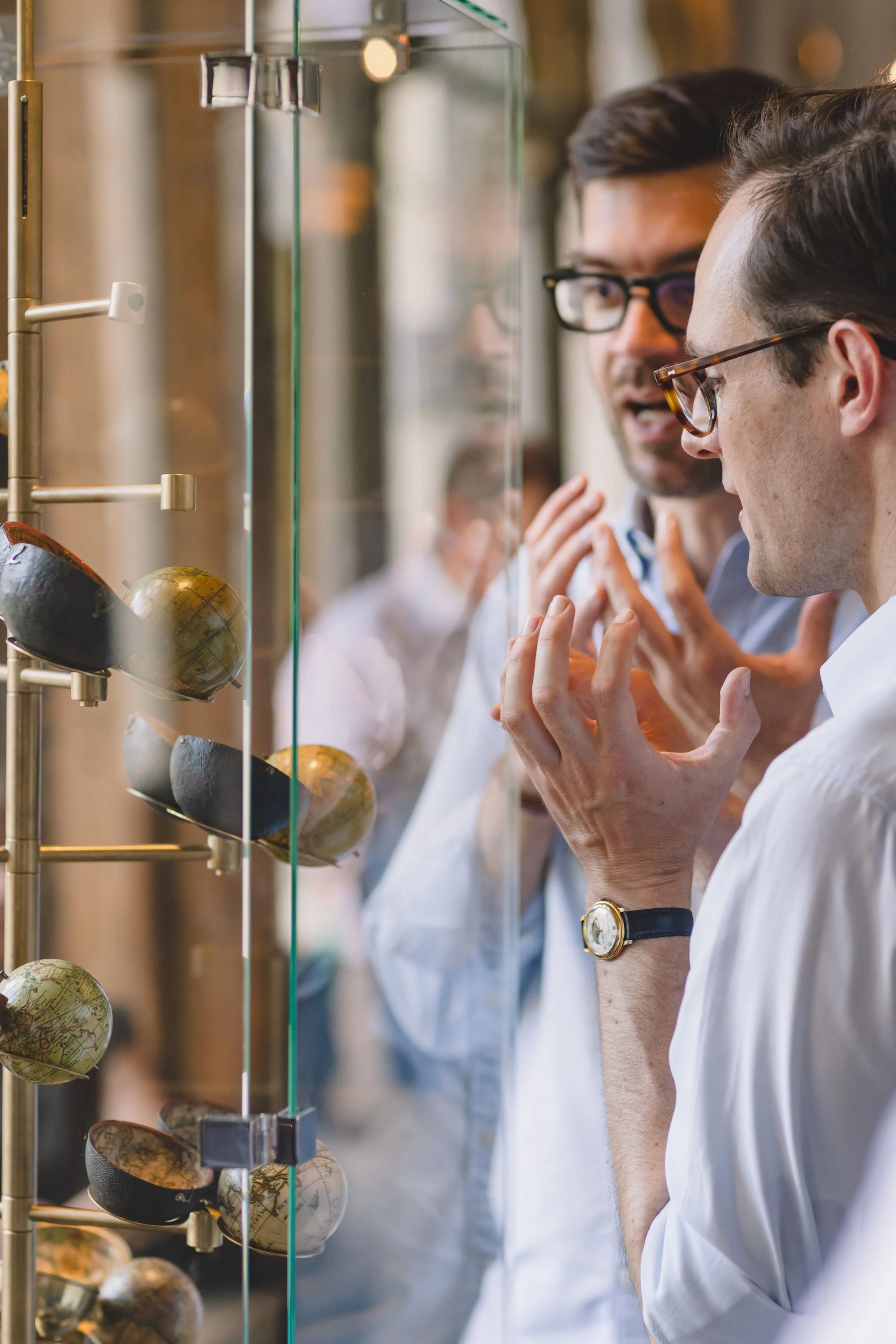
Image ©Lucy Toms
Studiolo 2026 Exhibitors
Studiolo London 2026 unfolded across both College Garden and the Cloisters at Westminster Abbey in a setting that felt both historic and intimate, bringing together art and design in a uniquely memorable way. Our exhibiting galleries displayed works of art ranging from antiquity to the modern day.
With outdoor sculpture from Guruve
ABOUT BEN PENTREATH STUDIO
Ben Pentreath Ltd is known for work that embodies the highest principles of traditional and classical architecture, as well as urbanism in contemporary society. Ben studied Art History at the University of Edinburgh and attended the Prince of Wales’s Institute of Architecture. Before founding his firm in 2004, which has grown to two studios in London’s Bloomsbury neighbourhood, Ben worked for five years in New York and then with the Prince’s Foundation. In 2023, he was awarded the prestigious Richard H. Driehaus Prize, given to a major contributor in the field of contemporary traditional and classical architecture; Ben is one of the youngest laureates of the award. Ben is also the author of a series of bestselling books, including English Decoration, English Houses, and An English Vision.
Image ©Lucy Toms
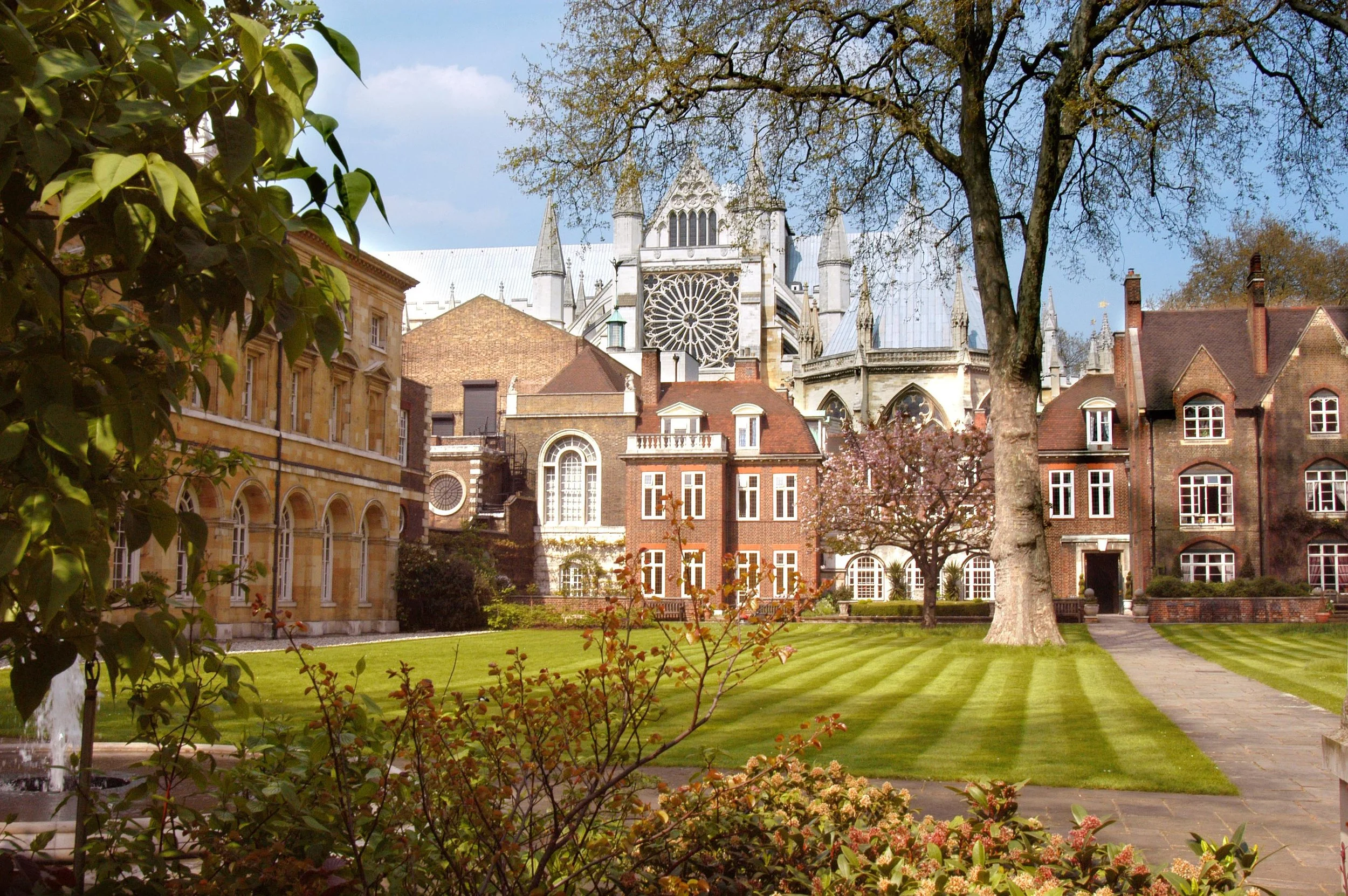
Image ©Westminster AbbeyABOUT COLLEGE GARDEN
Thought to be the oldest in England, College Garden, hidden within the walls of the Abbey precincts, has been in cultivation for over 900 years.
In monastic times, it was used to grow food, fruit, and medicinal herbs for the occupants of the Abbey. There was an orchard, a dovecote, fishponds, beehives, and a separate plot for growing vegetables. It is also recorded that there were archery butts set up for exercise. A herbarium was first set up in 1306. But the garden wasn't simply somewhere to grow food. It was also a place of beauty, neatly laid out and planted with roses and lilies.
After the monks had to leave at the Dissolution of the monastery, the garden was used by the Dean and Chapter (clergy) and the School. Lavender from Wimbledon was collected for a knot garden in 1565. In 1692 the gardener purchased roses, honeysuckle, raspberry and gooseberry bushes, and pear trees.
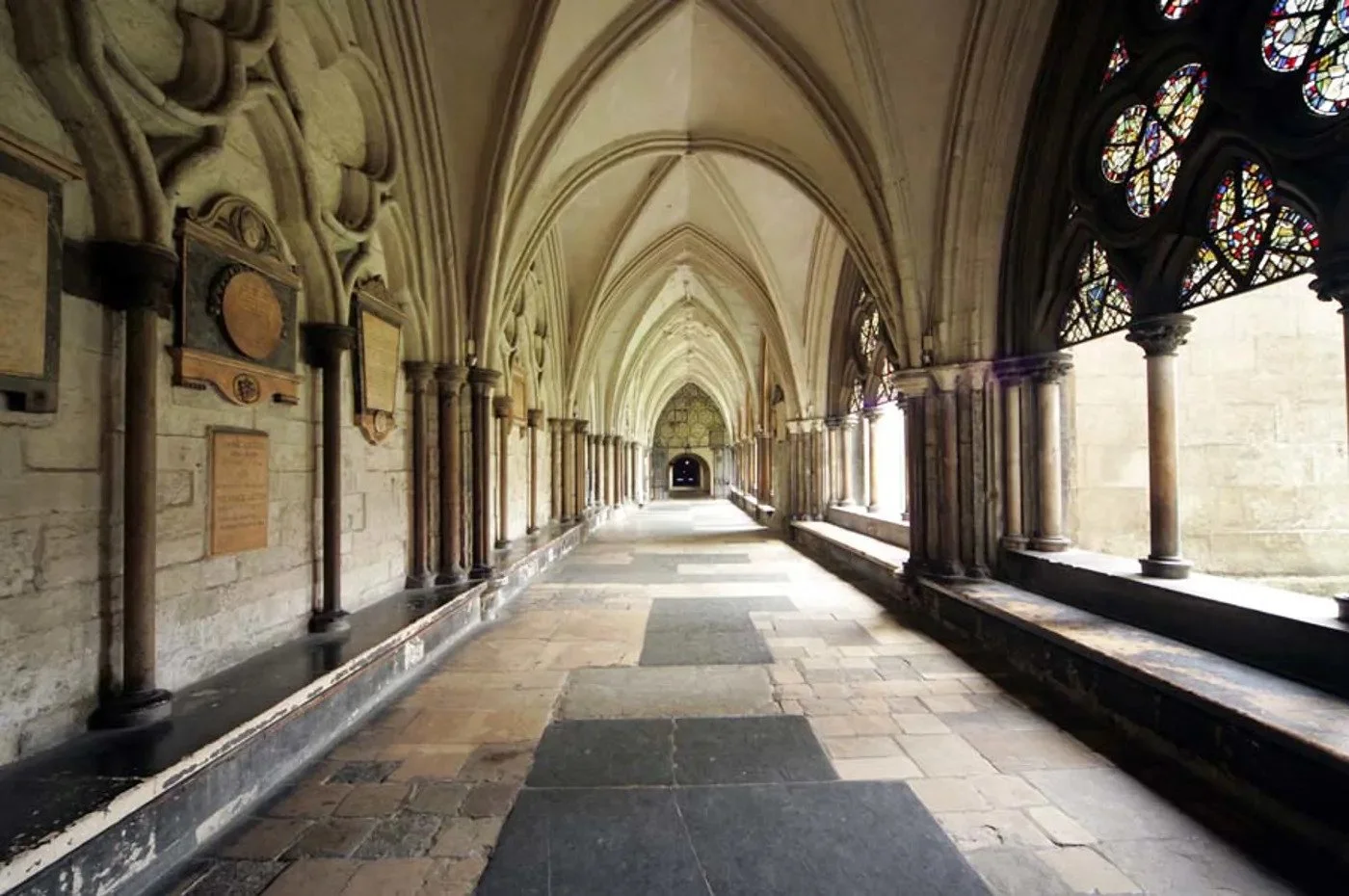
Image ©Westminster AbbeyABOUT THE CLOISTERS
The Cloisters date mainly from the 13th to the 15th centuries and were used for meditation and exercise by the Benedictine monks of Westminster. They provided a route to the main monastic buildings, such as the refectory and dormitory.
They would have been much cosier than they seem today. The upper parts of the windows were glazed, with the lower parts open, although shutters were used for protection against bad weather. Hay and straw in winter and rushes in summer covered the stone floor and benches, and the walls were covered with paintings, with lamps hanging from the roof. The north cloister was used for studying and reading.
A barrel-vaulted passage, called the Dark Cloister, leads into the Little Cloister and its small garden, and also to the main Abbey Garden.